Applying for a Spanish visa means submitting a package of supporting documents — each one demonstrating a different aspect of your eligibility. For most long-stay visas, that includes a criminal record check, proof of financial means, a medical certificate, and civil documents establishing identity and family relationships. When those documents are issued in the UK, they must be translated into Spanish by a sworn translator (traductor jurado) officially authorised by the Spanish Ministry of Foreign Affairs (Ministerio de Asuntos Exteriores) before a Spanish consulate can formally review them.
We translate the full range of documents commonly required for Spanish visa applications — including the non-lucrative visa, student visa, digital nomad visa, and family reunification applications — all prepared to the standard required by Spanish consulates and immigration authorities.
All documents submitted to us are handled with strict confidentiality, processed securely in line with UK GDPR, and accessed only by authorised personnel involved in delivering the translation. We understand that visa documents often contain sensitive personal, financial, and immigration-related information, and we treat them accordingly.

Required for most long-stay visa applications in Spain. Spanish consulates use it to confirm criminal record status before processing a visa — one of the first documents checked in the assessment.
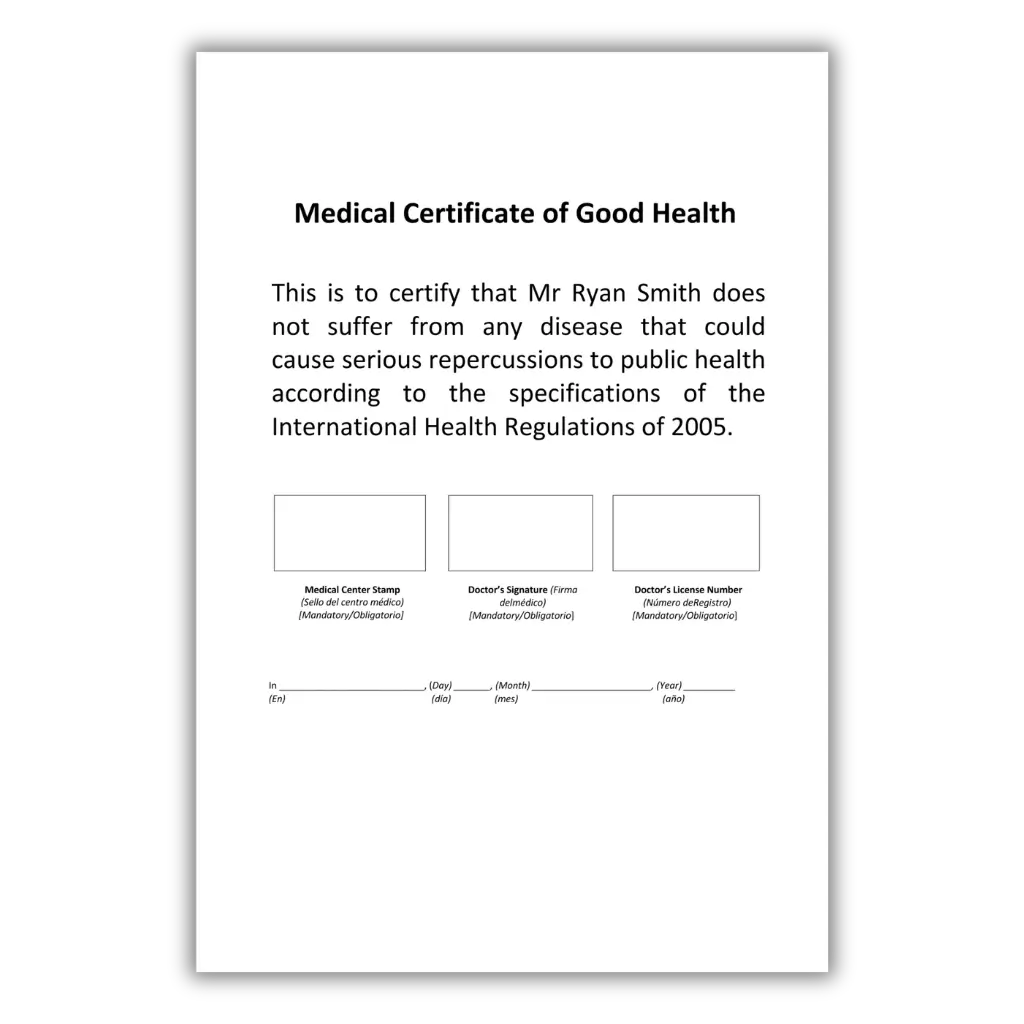
Required for non-lucrative, student, and digital nomad visa applications. Confirms that the applicant meets the health requirements for a long-stay visa in Spain.
Required where a sponsor is supporting a student or visa application in Spain. Commonly submitted alongside financial documents to demonstrate that the applicant has sufficient support.
Required to demonstrate sufficient financial means for the duration of the visa. Spanish consulates assess the pattern of income and savings over three to six months — the translation must present this clearly and completely.
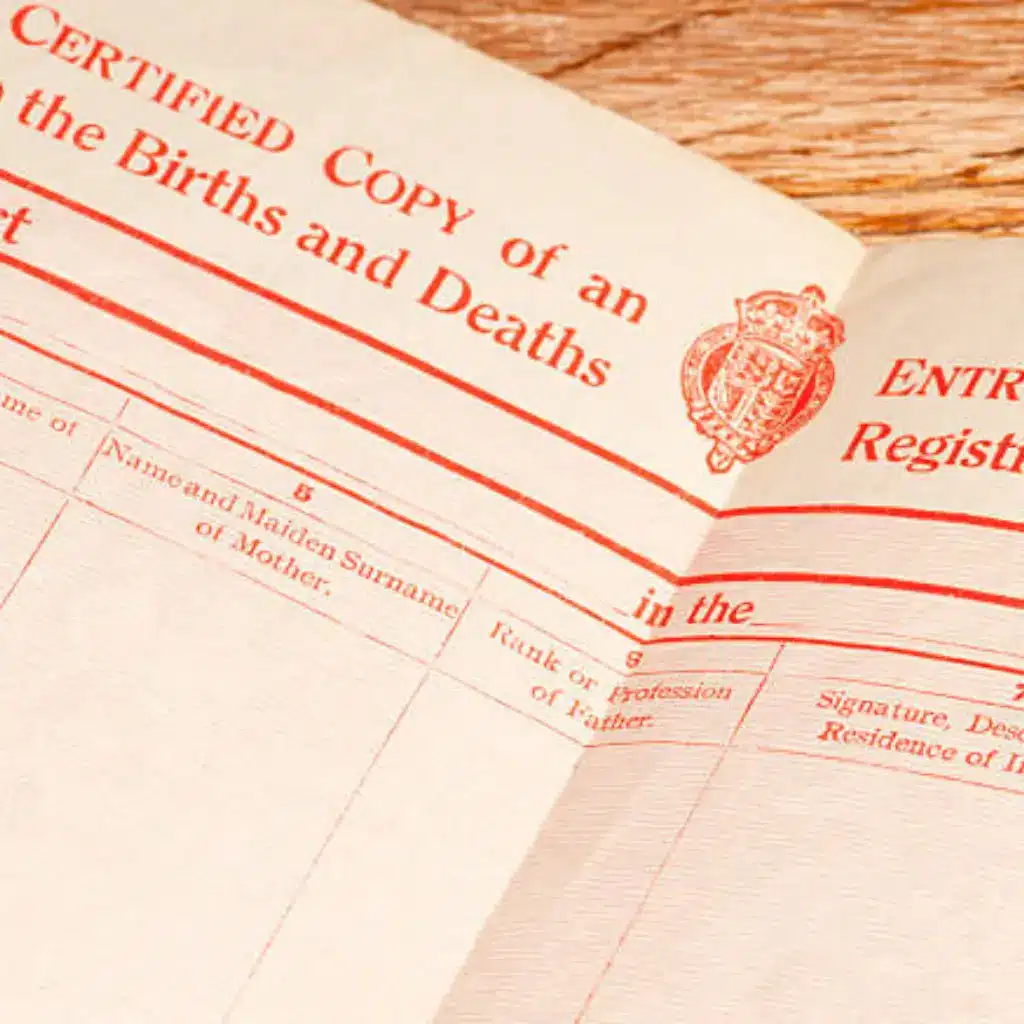
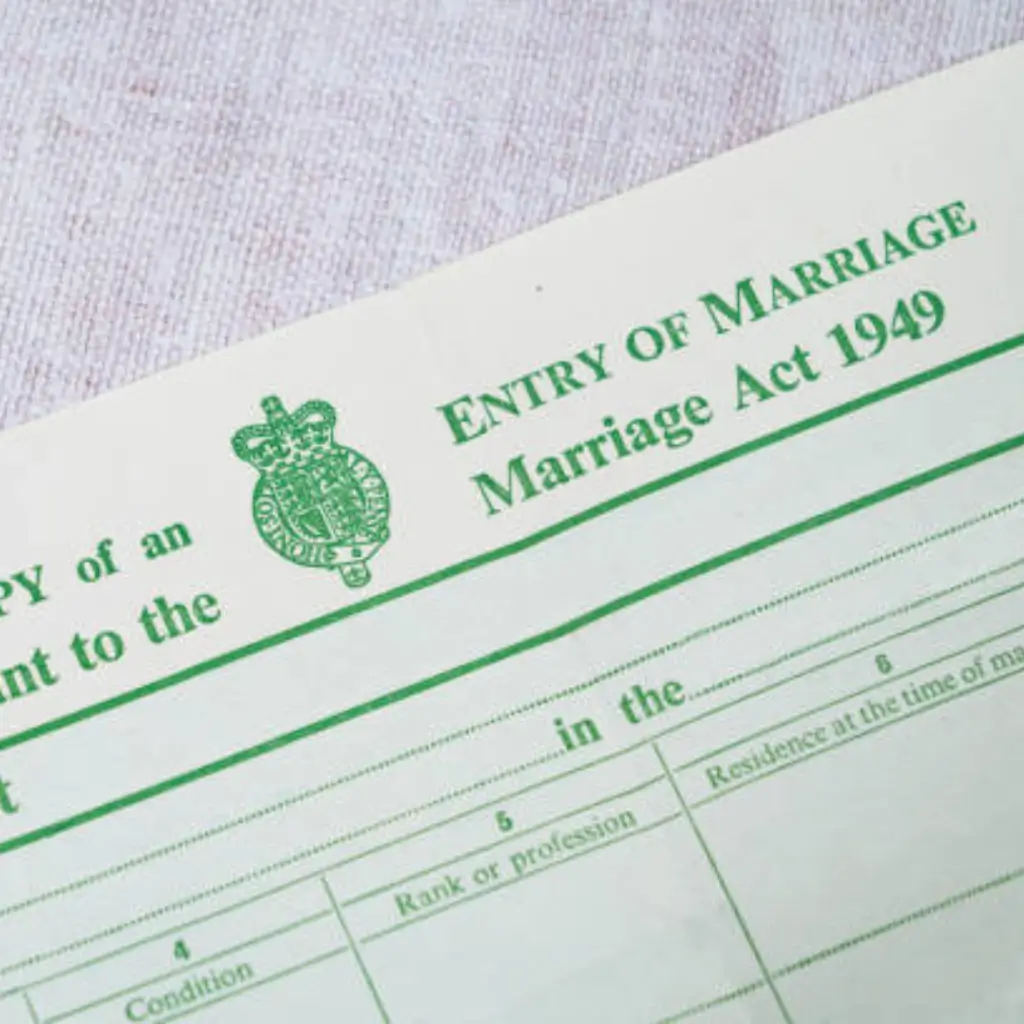
Required where identity or family relationships need to be formally established as part of a visa application — commonly needed where children or dependants are included.
Required where a spouse is included as a dependant in a visa application. Also used to establish shared financial resources where income or savings are held in one partner’s name.
Required for visa applications and placement processes involving work or volunteering with children in Spain — including teaching, childcare, and education-related roles.
Spanish consulates are required to process and assess visa applications in Spanish. Every document in a visa application package needs to be clearly understood and formally recognised before a decision can be made. Where documents are issued in English, that means providing a sworn translation — one that carries the official certification, signature, and stamp of a translator authorised by the Spanish Ministry of Foreign Affairs.
A standard or certified translation will not be accepted. Spanish consulates specifically require sworn translations (traducciones juradas) because only these carry the legal recognition needed for official use. Submitting documents without a properly prepared sworn translation is one of the most common reasons visa applications are delayed or returned for resubmission.
All translations in this category are overseen by Ana Martínez, Lead Translator, who has 20 years of experience in Spanish sworn translation — including extensive experience with documents prepared for Spanish visa applications across all major visa types.
Submit your document securely online and we’ll confirm receipt and begin processing straight away.
Your document is translated by a sworn translator authorised by the Spanish Ministry of Foreign Affairs. If you need physical copies with wet-ink signature and stamp, or a UK Hague Apostille, we can arrange both — all handled in-house.
Your sworn translation is delivered by email as a signed, stamped PDF, ready for submission with your visa application. Physical copies are sent via tracked courier if required.
The most frequently requested documents for Spanish visa and immigration applications include ACRO police certificates, visa medical certificates, bank statements, sponsorship letters, and civil documents — birth certificates, marriage certificates, and ICPCs — depending on the visa type and the specific requirements of the consulate.
Different visa types have different document requirements. Non-lucrative visa applications typically require an ACRO certificate, bank statements, a medical certificate, and civil documents. Student visa applications commonly require an ACRO certificate, a sponsorship or financial support letter, and enrolment documents. Digital nomad visa applications typically require proof of income, an ACRO certificate, and a medical certificate. If you are unsure which documents need to be translated for your specific visa type, get in touch before ordering and we will help you work out exactly what is needed.
Turnaround varies depending on the document type and length. Standard single-page documents — such as ACRO certificates, medical certificates, and birth and marriage certificates — are typically completed within 1 to 2 working days. Longer documents — such as bank statements covering three to six months — typically take 2 to 7 working days depending on page count. Turnaround is confirmed when we receive your document. If your consulate appointment or application deadline is approaching, let us know and we will do everything we can to accommodate it.
We also provide sworn translations across a wide range of other document categories.
ACRO certificates, HMRC records, Companies House documents, and ICPC certificates — for official, financial, and corporate use in Spain
Birth certificates, marriage certificates, death certificates, divorce decrees, and Certificates of No Impediment — for civil registration, nationality, and inheritance processes.
Degree certificates, transcripts, and enrolment certificates — for university admissions, homologation, and equivalence processes.
Contracts, powers of attorney, wills, and tenancy agreements — for notarial processes, legal proceedings, and official submissions in Spain.